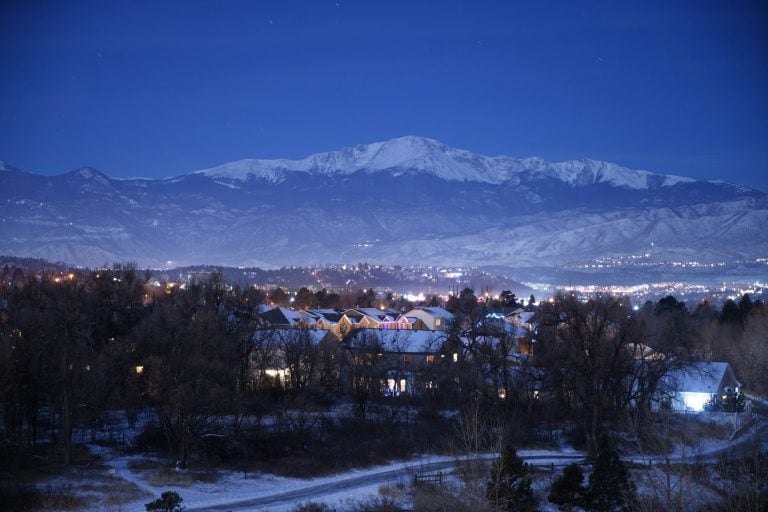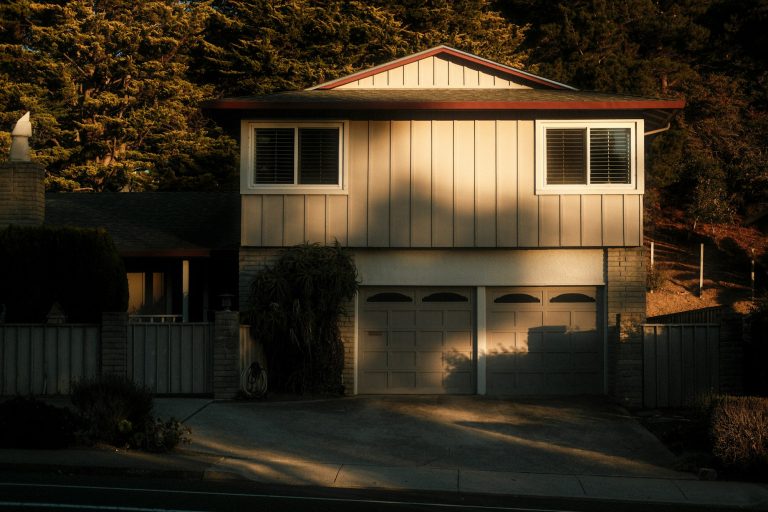
Luxury homebuyers evaluating Castle Rock versus Colorado Springs find distinct advantages in each. The community provides convenient proximity to both Denver and Colorado Springs while maintaining a refined, elevated lifestyle.
What Defines Luxury in Castle Rock and Colorado Springs?
Luxury in Castle Rock and Colorado Springs reflects two distinct interpretations of Colorado living. Castle Rock delivers a ruggedly beautiful setting at the base of the Rocky Mountains with sweeping vistas and breathtaking scenery. Colorado Springs offers a larger urban scale, with 493,540 residents spread across 202.1 square miles, according to Census Reporter data cited by Colorado Springs Choice Homes. The choice between these markets hinges on whether a buyer prioritizes intimate foothill exclusivity or metropolitan breadth.
How Do Price Points Compare Between the Two Markets?
Castle Rock luxury homes command significant investment. This spectrum encompasses everything from refined foothill estates to expansive ranch properties. Colorado Springs presents a broader inventory at varying price tiers, though its larger geographic footprint introduces greater diversity in architectural character and lot configuration.
North Star Mountain Homes guides buyers through these nuanced distinctions. Based in Castle Rock, the brokerage represents clients across both markets with precise local knowledge. The firm pairs deep Front Range insight with access to trusted agents in mountain communities beyond the corridor.
What Lifestyle Does Each Market Offer the Discerning Buyer?
Castle Rock attracts those seeking a refined retreat with immediate access to open space and panoramic mountain backdrops. The town’s position in Douglas County places residents within reach of both Denver and Colorado Springs while preserving a quieter, more curated atmosphere. Colorado Springs appeals to buyers who value cultural institutions, a larger economic base, and diverse neighborhood profiles. The city’s scale supports a wider array of dining, arts, and professional networks without sacrificing proximity to Pikes Peak and the surrounding wilderness.
How Do Architectural Styles and Lot Sizes Compare?
Luxury homes in Castle Rock and Colorado Springs diverge sharply in architectural character and land scale. Castle Rock properties emphasize expansive foothill acreage and refined mountain-modern design. Colorado Springs offers a broader mix of traditional and contemporary styles on more varied lot dimensions.
Castle Rock luxury homes offer generous square footage that accommodates both intimate retreats and grand family estates. These residences frequently feature amenities that define elevated Colorado living. Fireplaces, garages, bars, and gardens appear as common hallmarks of the area’s high-end inventory.
Which Castle Rock Neighborhoods Offer the Most Prestigious Luxury Estates?
Several enclaves command particular attention from discerning buyers. Cobblestone Ranch and Bell Mountain Ranch rank among the most popular neighborhoods for luxury homes, as noted by Redfin. Founders Village, Crystal Valley Ranch, and The Meadows also attract those seeking refined living with generous space.
North Star Mountain Homes guides clients toward properties that match these architectural and spatial preferences. The company represents buyers pursuing foothill acreage and ski-in/ski-out second homes across Castle Rock and beyond. This specialized focus ensures access to residences where lot size and design integrity meet uncompromising standards.
How Do Lot Sizes Differ Between the Two Markets?
Castle Rock prioritizes acreage that frames panoramic Front Range views. Properties often sit on substantial parcels that blur the line between estate and natural preserve. Colorado Springs presents a wider spectrum, from in-town luxury lots to sprawling equestrian properties. The distinction matters for buyers who value privacy and uninterrupted sightlines. Castle Rock’s foothill setting delivers a more consistent premium on land itself, not merely the structure upon it.
Which City Offers Better Commute and Accessibility?
Castle Rock delivers superior commute flexibility for high-net-worth buyers who require access to both Denver and Colorado Springs. Colorado Springs offers a self-contained metropolitan environment with less dependence on external commuting corridors. The distinction hinges on whether a homeowner values equidistant positioning between two major Front Range cities or prefers immersion within a single, larger urban ecosystem.
Castle Rock and Colorado Springs are connected by I-25, but they operate at very different scales. Castle Rock places residents within convenient reach of Denver to the north and Colorado Springs to the south, creating an ideal home base for professionals with business interests in both metropolitan areas. A homeowner in Castle Rock gains the advantage of choosing between two employment markets, two international airports, and two distinct cultural scenes without committing exclusively to either.
Colorado Springs, by contrast, functions as a self-sufficient economic and cultural hub. With 493,540 residents spread across a substantially larger footprint, the city provides most amenities and professional opportunities internally. Commuting patterns here tend to center on movement within the city rather than between cities. For executives whose work and social lives concentrate entirely in the Pikes Peak region, this internal orientation eliminates the need for regular interstate travel.
How does community scale affect daily travel in each city?
Castle Rock’s compact footprint creates a navigable community where errands and local appointments consume minimal drive time. The intimate scale means fewer traffic bottlenecks and shorter distances between residential enclaves and commercial centers. Colorado Springs spreads its population across a far greater expanse, introducing longer intra-city travel times and more complex route planning for daily activities.
Which city better supports a multi-city professional lifestyle?
Castle Rock’s midpoint location on the I-25 corridor makes it the stronger choice for professionals splitting time between Denver and Colorado Springs. The town’s positioning allows a morning meeting in the Denver Tech Center and an afternoon engagement in downtown Colorado Springs without logistical strain. North Star Mountain Homes guides buyers toward properties that optimize this dual-city advantage, whether in established foothill communities or emerging luxury enclaves. For markets extending beyond the Front Range, the company connects clients with trusted local agents in Summit County, Vail, Aspen, and other premier mountain destinations.
What Are the Price-Per-Square-Foot Dynamics?
Price-per-square-foot dynamics between Castle Rock and Colorado Springs reveal distinct value propositions for the discerning buyer. Castle Rock commands a premium rooted in its proximity to the Denver Tech Center and its curated collection of estate properties. This figure represents a market where quality and location converge.
The spectrum of investment is remarkably broad. Such a wide band signals a market accommodating both the move-up buyer and the ultra-high-net-worth purchaser seeking a bespoke mountain estate. Colorado Springs, by contrast, typically presents a lower entry point, though its upper-tier enclaves in Broadmoor compete on craftsmanship and views.
How do market timelines differ between the two cities?
Castle Rock properties exhibit a deliberate sales cadence. Redfin data shows homes stay on the market for an average of 75 days and receive 1 offer. This pace allows for thoughtful negotiation rather than rushed decisions. Colorado Springs often moves faster in popular school districts, yet Castle Rock’s timeline reflects the careful consideration its properties demand.
Which market offers stronger long-term value retention?
Castle Rock’s limited land availability and strict architectural guidelines protect property values. The town’s position between Denver and Colorado Springs creates sustained demand from executives who refuse to compromise on acreage or design. North Star Mountain Homes provides local insight and no-pressure guidance for buyers and sellers navigating these nuanced dynamics. The company’s deep knowledge of Castle Rock’s micro-markets ensures clients understand precisely what drives price per square foot in each enclave, from The Meadows to Bell Mountain Ranch.
Which Enclave Best Suits a Discerning Buyer?
Castle Rock delivers a curated collection of luxury enclaves unmatched along the southern Front Range. Colorado Springs presents a broader metropolitan canvas, yet Castle Rock concentrates its finest estates within a handful of prestigious communities.
Castle Pines stands as the crown jewel, offering gated privacy and championship golf woven into rolling terrain. Bell Mountain Ranch provides expansive acreage and panoramic views that appeal to buyers seeking equestrian estates or architectural showpieces. Redfin identifies these among the most sought-after neighborhoods in the Castle Rock luxury market. Perry Park adds a distinct appeal with its dramatic red rock formations and heavily wooded lots, creating a secluded atmosphere minutes from town.
Colorado Springs luxury concentrates in Broadmoor-area estates and Flying Horse Ranch. These communities deliver exceptional homes. However, the geographic spread across El Paso County dilutes the enclave intimacy that Castle Rock preserves.
What Defines a True Luxury Enclave?
A true luxury enclave offers architectural cohesion, natural boundaries, and exclusivity. Castle Rock communities like Castle Pines and Bell Mountain Ranch deliver all three. Colorado Springs luxury neighborhoods often blend into surrounding suburban development, reducing the sense of retreat.
How Does Outdoor Access Compare Between the Two Markets?
Castle Rock provides an abundance of outdoor recreation opportunities and a stunning location, according to Toll Brothers. Trails, open space, and ridgeline vistas integrate directly into daily life. Colorado Springs offers Pikes Peak and Garden of the Gods, yet these attractions sit farther from most luxury neighborhoods.
North Star Mountain Homes represents buyers and sellers across Castle Rock, Castle Pines, and Perry Park with intimate local knowledge. For clients whose mountain aspirations extend beyond the Front Range, the company connects discerning buyers with trusted local agents in Vail, Aspen, and Jackson Hole. This dual capability ensures a seamless transition from foothill estate to alpine retreat.
Conclusion
The discerning buyer now possesses the framework to determine which market aligns with a particular vision of mountain living. Castle Rock offers curated enclaves and deliberate market cadence for those who prize intimacy and dual-city access. Colorado Springs presents a broader canvas with internal self-sufficiency. The decision rests upon whether one seeks a retreat that concentrates luxury within a contained footprint or a metropolitan landscape with expansive reach.