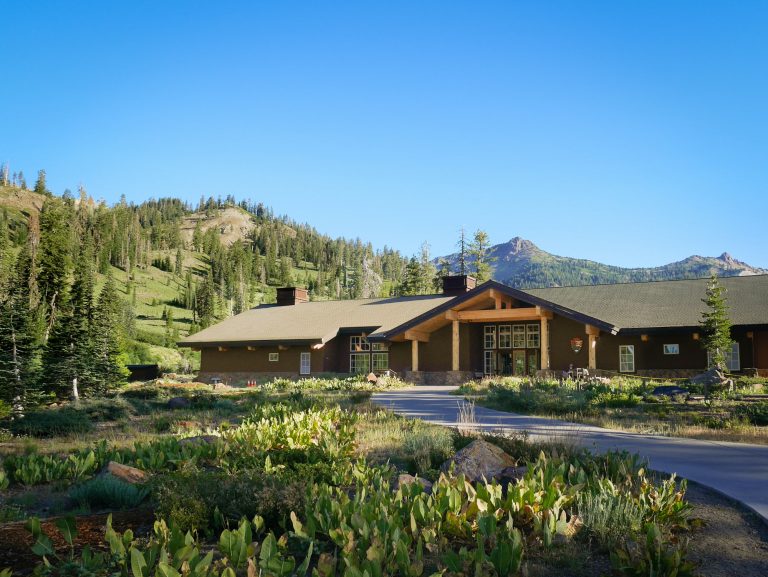
Hidden costs of buying a luxury home in Castle Rock, Colorado extend well beyond the purchase price. Property taxes on estate-size lots near Red Hawk Ridge Golf Course or Ridgeline Open Space often exceed initial estimates. Homeowners association fees for custom architecture and community amenities add significant monthly obligations. Insurance premiums for Colorado’s wildfire-prone foothills demand careful budgeting.
What Are the Hidden Costs Associated With Buying a Luxury Home in Castle Rock?
The hidden costs associated with buying a luxury home in Castle Rock extend well beyond the purchase price. Buyers who overlook these financial layers risk absorbing thousands in unplanned annual expenses. Castle Rock’s luxury market carries a distinctive cost structure shaped by its geography, governance, and landscape.
Metro District mill levies represent the most frequently missed obligation. Castle Rock luxury homes cluster around anchors like Red Hawk Ridge Golf Course and the Philip S. Miller Park complex. Many of these communities operate under metropolitan districts that levy mill rates functioning as a second property tax. These levies remain entirely separate from traditional HOA dues. A buyer who budgets only for the HOA discovers an additional recurring line item that never appears on the listing sheet.
What Ongoing Maintenance Costs Do Castle Rock Estate Lots Require?
Estate-size lots demand specialized care. Buyers encounter custom architecture, indoor-outdoor rooms, and multi-car garages designed for Colorado gear. The acreage surrounding these residences requires irrigation systems, native landscaping management, and seasonal upkeep that standard suburban lots do not. These maintenance obligations compound annually and scale with lot size.
How Does Castle Rock’s Location Affect Ownership Costs?
Castle Rock sits between Denver and Colorado Springs. This positioning creates commuting cost considerations and regional tax variations that buyers must model before committing. A residence that appears competitively priced against a Denver equivalent may carry different transportation and service expenses tied to its Douglas County location.
North Star Mountain Homes, based in Castle Rock, provides local insight into these financial nuances. Broker Josh Jurkovich represents buyers and sellers across Castle Rock and surrounding enclaves. Discerning buyers benefit from guidance that surfaces these obligations before closing, not after.
How Do Metro District Mill Levies Affect Your Budget?
Metro district mill levies add a recurring annual expense beyond standard property taxes. These obligations often surprise buyers relocating from states where such districts are uncommon.
Castle Rock luxury homes cluster around established community anchors. The hidden costs associated with buying a luxury home in Castle Rock include mill levies that fund infrastructure like the Philip S. Miller Park complex, trail links through Ridgeline Open Space, and East Plum Creek pathways. These amenities enhance property values. They also create permanent financial obligations tied to the deed.
What Exactly Do Metro District Mill Levies Pay For?
Metro district levies fund public infrastructure that benefits the surrounding community. Roads, parks, open space trails, and stormwater systems all fall under this funding mechanism. The Red Hawk Ridge Golf Course area and similar Castle Rock enclaves carry these assessments. Buyers receive tangible neighborhood amenities in return. The cost, however, persists year after year.
How Do Mill Levies Differ From Standard HOA Fees?
Unlike traditional HOA fees, metro district mill levies attach to the property deed permanently. HOA fees can change with board votes or community negotiations. Mill levies do not expire. They appear on the annual property tax bill as a separate line item, often catching out-of-state buyers off guard. The obligation runs with the land indefinitely.
Broker Josh Jurkovich of North Star Mountain Homes represents buyers across Castle Rock and clarifies these obligations before closing. A thorough review of the tax bill reveals the full annual burden. Buyers who overlook this line item face budget strain that compounds over years of ownership. The mill levy amount varies by specific district boundaries within Castle Rock. Some neighborhoods carry higher assessments than others. Understanding this distinction before writing an offer protects against long-term financial surprise.
Why Are Wildland-Urban Interface Insurance Premiums Higher?
Wildland-urban interface location directly raises insurance premiums on Castle Rock luxury estates. Properties bordering open space corridors face wildfire risk assessments that suburban homes simply do not encounter.
Castle Rock luxury homes cluster around natural amenities that double as exposure zones. The Ridgeline Open Space and East Plum Creek trail systems weave through high-end neighborhoods, placing estate-size lots against undeveloped wildland. Insurers map these interfaces precisely. A home backing to open space carries a materially different risk profile than one surrounded by irrigated lawns and paved streets.
Hidden costs emerge in the premium differential. Colorado insurers operating in wildland-urban interface zones charge premiums that can be double those of comparable suburban properties. This cost persists year after year, not as a one-time closing expense but as a permanent carrying cost of the address itself.
What Determines Whether a Property Falls Into a High-Risk Zone?
Proximity to continuous wildland fuel sources defines the zone. Homes adjacent to Ridgeline Open Space, East Plum Creek corridors, or undeveloped butte slopes fall squarely within insurer-designated interface boundaries. Distance matters: a property separated by a four-lane road and a shopping center receives different treatment than one whose back fence abuts scrub oak and ponderosa pine.
Can Landscaping Choices Reduce Wildfire Insurance Premiums?
Mitigation strategies influence underwriting outcomes. Properties with fire-resistant landscaping and defensible space may qualify for reduced premiums, though these measures require ongoing investment. Estate-size lots in Castle Rock often feature custom architecture and indoor-outdoor rooms designed for Colorado living. Adapting those designs to include non-combustible decking, ember-resistant venting, and maintained fuel breaks signals risk reduction to carriers.
North Star Mountain Homes connects clients with trusted local agents who understand these regional insurance dynamics. The distinction between a standard luxury listing and one carrying a manageable insurance profile often rests on details a buyer overlooks until the binder arrives.
What Does High-Acreage Topography Maintenance Cost?
High-acreage topography maintenance in Castle Rock carries substantial annual costs that many luxury buyers overlook. Steep slopes, native vegetation, and expansive infrastructure demand specialized equipment and ongoing professional labor. These expenses accumulate quickly and persist for the entire ownership period.
What terrain features drive the highest maintenance expenses?
Estate-size lots in Castle Rock frequently include dramatic elevation changes and indigenous plantings that standard landscaping services cannot manage. Properties with custom architecture and multi-car garages designed for Colorado gear sit on terrain requiring slope-rated mowers, erosion control systems, and wildfire mitigation crews. The topography itself dictates the equipment roster.
How do private infrastructure costs compound on acreage?
Private roads, drainage systems, and retaining walls represent significant recurring line items. Castle Rock luxury homes cluster around established anchors like Red Hawk Ridge Golf Course and the Philip S. Miller Park complex, yet each estate bears sole responsibility for its own access roads and water management infrastructure. Gravel road resurfacing, culvert clearing, and retaining wall inspections add thousands annually. Deferred maintenance on these systems leads to six-figure remediation projects.
Irrigation for expansive landscaping in Colorado’s semi-arid climate escalates water bills substantially during summer months. Mature trees, ornamental gardens, and manicured grounds surrounding luxury estates require consistent watering schedules that municipal rates do not subsidize.
North Star Mountain Homes pairs local insight with honest guidance to help buyers anticipate these carrying costs before closing. Broker Josh Jurkovich represents clients across Castle Rock and surrounding Douglas County enclaves, connecting purchasers with the full financial picture of high-acreage ownership. Understanding topography-driven expenses transforms a stunning view into a properly budgeted asset.
How Does Luxury-Tier Due Diligence Uncover Hidden Costs?
Luxury due diligence in Castle Rock reveals financial obligations that standard inspections overlook. Specialized evaluations of custom architecture, structural systems, and mechanical components prevent costly surprises after closing.
Buyers of estate-size homes face unique inspection requirements. Custom indoor-outdoor rooms, multi-car garages built for Colorado gear, and complex mechanical systems demand expertise beyond a typical home inspection. Missing a structural flaw in a bespoke design leads to six-figure remediation costs later. Every custom element carries maintenance implications that standard checklists ignore entirely.
What financial disclosures do Castle Rock luxury communities require?
Metro district disclosures and HOA covenants often contain obligations that out-of-state buyers never anticipate. Properties near Red Hawk Ridge Golf Course or the Philip S. Miller Park complex frequently carry special assessments for community infrastructure. Pending assessments remain invisible until a thorough document review brings them forward. Overlooking these line items adds thousands in unplanned annual expenses.
How do Colorado closing costs differ from other states?
Out-of-state buyers consistently underestimate title insurance premiums, transfer taxes, and escrow fees specific to Colorado transactions. These costs scale with property value, making the gap between expected and actual closing figures significant at luxury price points. A buyer unprepared for these state-specific charges loses negotiating leverage late in the transaction.
North Star Mountain Homes provides no-pressure guidance through this complex landscape. Brokered by LoKation Real Estate, the company helps clients anticipate every line item before committing to a purchase. The process protects buyers from the hidden costs that erode the joy of mountain home ownership.
Conclusion
Understanding these layered costs transforms a luxury purchase from an emotional decision into a sound investment. The discerning buyer who accounts for insurance premiums, topography-driven maintenance, and specialized due diligence secures not merely a residence but a properly stewarded asset. Castle Rock rewards those who arrive prepared.