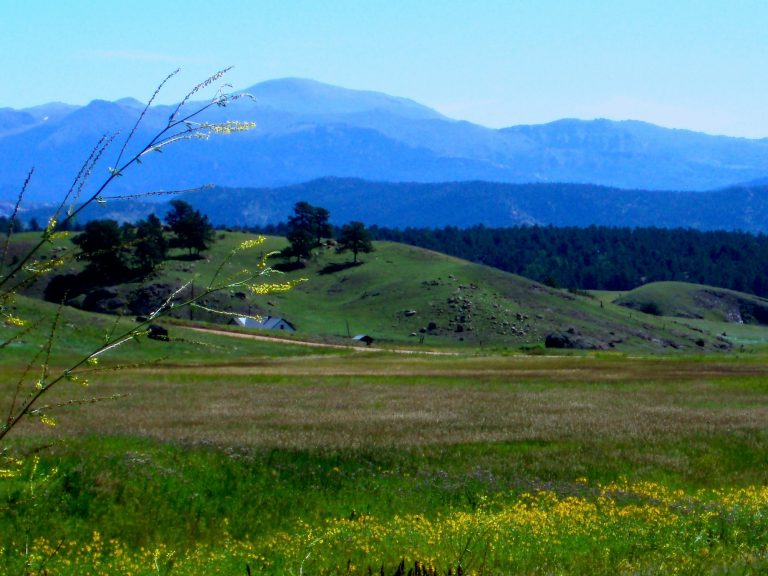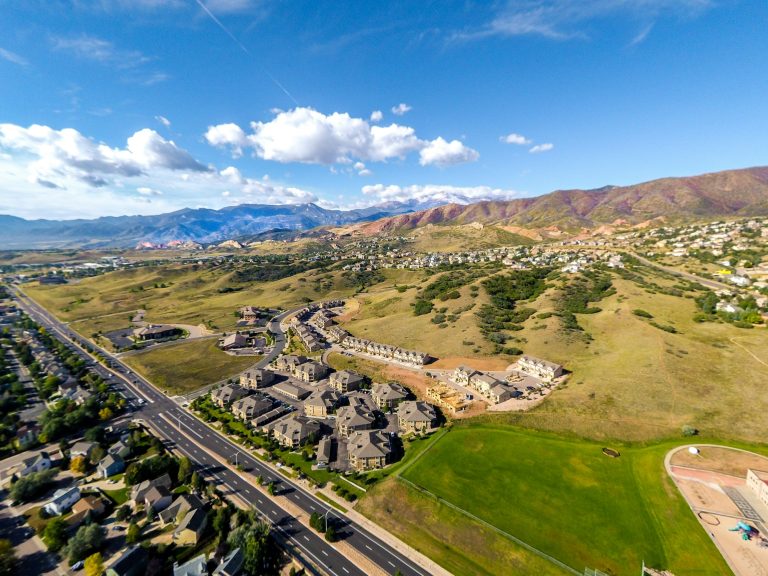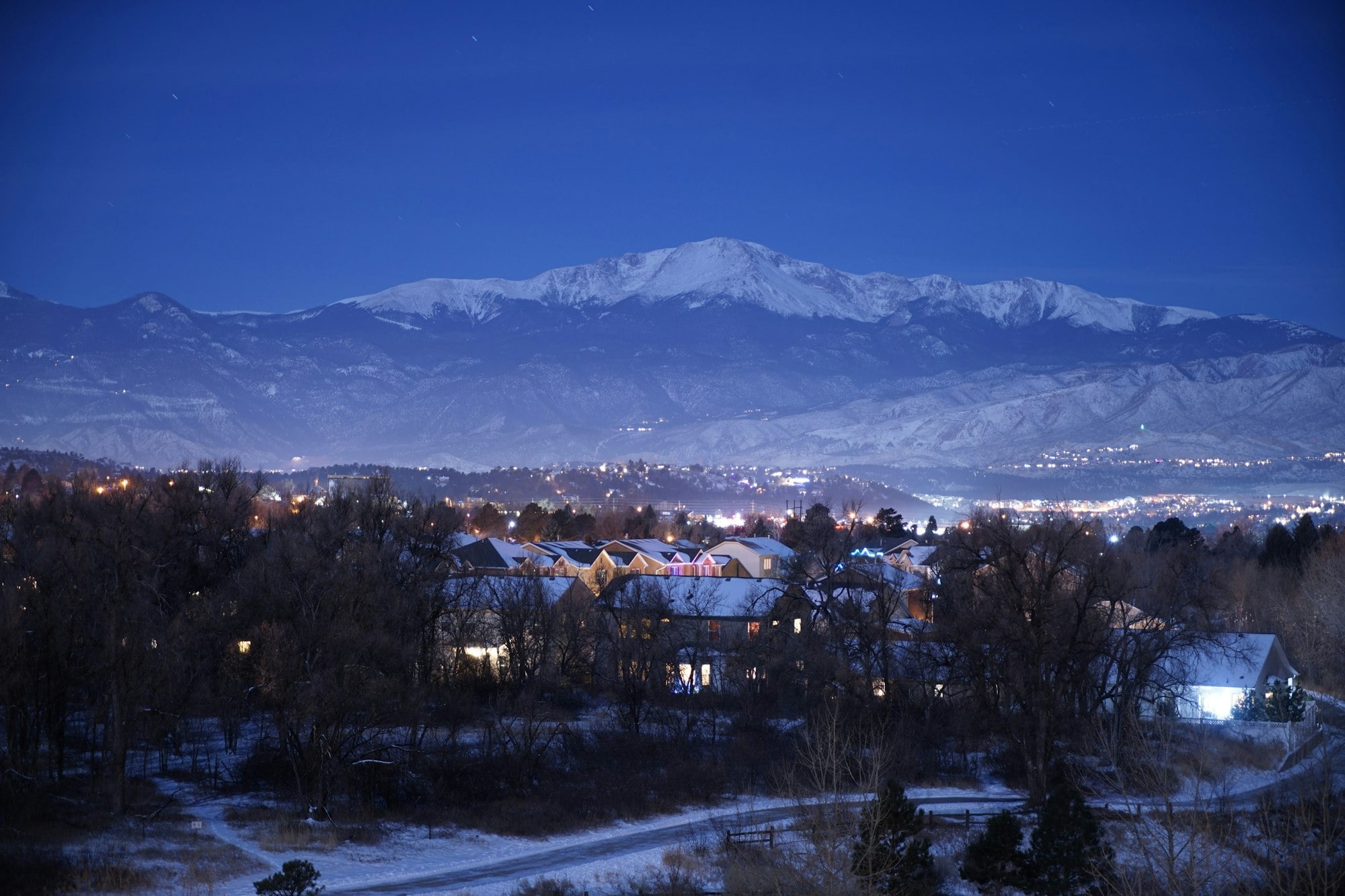
Acquiring a second home in Castle Rock offers discerning buyers a curated foothills retreat with seamless Denver access. North Star Mountain Homes guides clients through this refined market, where properties blend mountain tranquility with urban convenience. The area presents an exceptional opportunity for those seeking a seasonal sanctuary without sacrificing connectivity.
What Defines a Second Home in Castle Rock?
A second home in Castle Rock is a residential property acquired for seasonal or part-time occupancy rather than as a primary residence. These properties serve as retreats from urban life while maintaining proximity to metropolitan amenities.
Castle Rock occupies a strategic position between Denver and Colorado Springs. This location delivers the foothills lifestyle that discerning buyers seek without sacrificing convenient access to two major Front Range cities. The town blends small-town charm with expanding amenities, creating an environment where a second home functions as both a weekend escape and a sound real estate holding.
What distinguishes a second home from an investment property?
The distinction rests on personal use. A second home provides the owner with a private retreat for regular, non-rental occupancy. An investment property generates rental income as its primary purpose. Lenders apply distinct standards for second homes, typically requiring reasonable distance from a primary residence or clear seasonal utility rather than pure rental intent.
Why do buyers choose Castle Rock for a second home?
Castle Rock offers a rare combination of foothills terrain and urban accessibility. The town sits within comfortable driving distance of Denver’s cultural institutions and Colorado Springs’ outdoor recreation. Buyers gain a mountain-adjacent lifestyle without the logistical demands of a remote alpine property. The area’s growing amenities support both weekend visits and extended seasonal stays.
North Star Mountain Homes represents buyers and sellers across Castle Rock and the surrounding foothills communities. The company specializes in second home properties near Denver Colorado, guiding clients toward residences that match their vision of a Colorado retreat. From foothill acreage to properties with sweeping Front Range views, the inventory accommodates varied preferences for a part-time mountain residence.
Why Choose Castle Rock for a Seasonal Retreat?
Castle Rock delivers a curated lifestyle for discerning buyers pursuing a mountain-foothills retreat. Second Home Properties Near Denver Colorado deliver lock-and-leave practicality that high-income professionals demand. The town sits strategically between Denver and Colorado Springs. This location provides swift access to urban centers alongside a genuine foothills atmosphere. Buyers who delay securing their seasonal residence risk missing the quiet sophistication Castle Rock now offers.
What makes Castle Rock different from other Front Range towns?
Castle Rock pairs small-town character with growing cultural and culinary amenities. The community has expanded thoughtfully, preserving its historic core while attracting elevated retail and dining options. Professionals relocating from coastal markets frequently cite this balance as decisive. The town feels established rather than transient, a quality increasingly rare among Denver-adjacent communities.
How does the lock-and-leave model work for second-home buyers?
A lock-and-leave property minimizes maintenance demands between visits. Many Castle Rock residences feature durable mountain-modern construction suited for seasonal occupancy. Owners arrive to a home ready for immediate enjoyment, then depart without the burden of extensive winterization or groundskeeping. This practicality liberates schedules for recreation rather than property oversight. North Star Mountain Homes guides clients toward floor plans and locations purpose-built for this ownership rhythm.
Castle Rock offers several advantages for the seasonal buyer:
- Effortless Denver access while residing in a foothills town with independent identity
- Curated neighborhood settings that balance privacy with walkable amenities
- Turnkey seasonal readiness across newer construction stock designed for intermittent use
The seasonal retreat market across the Front Range has grown more competitive. Castle Rock distinguishes itself through enduring value rather than speculative frenzy. Discerning buyers recognize that a well-positioned foothills property serves both immediate refuge and generational asset.
How Do HOA and Metro District Nuances Affect Buyers?
Homeowner association covenants and metropolitan district obligations shape the true cost and usability of a second home. These governance layers determine everything from exterior paint colors to snow removal schedules. Buyers who overlook these details risk purchasing a retreat that carries unexpected restrictions or escalating fees.
A homeowners association (HOA) enforces community standards through covenants, conditions, and restrictions. Monthly dues fund shared amenities and maintenance. A metro district, common across Colorado, operates as a quasi-municipal entity that finances infrastructure through property tax mill levies. The two structures often coexist, creating a layered financial obligation that second-home buyers must evaluate before committing.
What makes HOA and metro district rules different for a second home?
Lock-and-leave ownership demands governance that supports absentee stewardship. An HOA that handles exterior maintenance, landscaping, and security reduces the burden on owners who visit seasonally. Metro district tax obligations continue regardless of occupancy, making the combined carrying cost a fixed line item in any ownership calculation.
Which Castle Rock neighborhoods balance governance with flexibility?
Founders Village stands out for its well-kept homes and strong sense of community. The neighborhood’s inviting streets and maintained common areas reflect active but not overbearing governance. Buyers seeking a foothold in Castle Rock find that areas with established HOAs and transparent metro district disclosures offer clearer long-term budgeting.
Local insight proves invaluable when comparing these structures. Broker Josh Jurkovich of North Star Mountain Homes guides clients through the specific covenants and tax implications that distinguish one Castle Rock neighborhood from another. Understanding the interplay between HOA dues and metro district mill levies transforms a complex due-diligence step into a straightforward selection criterion.
What Is the Market Timing for Second-Home Purchases?
Castle Rock’s current market conditions favor deliberate, well-timed second-home acquisitions. Opendoor market data from June 2026 shows Castle Rock homes took a median of 60 days to sell over the preceding 90 days. Only about 11% sold within 30 days. This pace grants discerning buyers meaningful room to evaluate second home properties near Denver Colorado without the pressure of bidding wars.
The median sale price in Castle Rock stands at approximately $677,500, down 1.1% year over year. Homes close at about 99.5% of list price. These figures describe a balanced transaction environment, though sellers maintain firm pricing power.
How Long Do Castle Rock Homes Stay on the Market?
A 60-day median selling window signals a measured transaction environment. Buyers encounter fewer competing offers than in overheated Front Range submarkets. The 11% figure for sub-30-day sales confirms that swift closings remain the exception rather than the rule.
What Does the 99.5% List-to-Close Ratio Mean for Buyers?
Closing at 99.5% of list price indicates sellers price accurately from the outset. Negotiation margins stay narrow. A second-home buyer should expect to pay near asking price for a well-presented Castle Rock property.
The modest 1.1% annual price decline rewards patient buyers. Those who wait for the right foothills property lose little to appreciation pressure. Timing a purchase around seasonal listing patterns becomes more feasible when inventory moves at this deliberate pace.
How to Ensure a Smooth Lock-and-Leave Experience?
A lock-and-leave property demands systems that function flawlessly during extended absences. Castle Rock homeowners who depart for weeks or months return to properties that remain secure, maintained, and immediately livable.
The foundation rests on professional oversight. North Star Mountain Homes provides honest, no-pressure guidance for second-home buyers navigating these logistical considerations. A local property manager inspects the residence weekly, checking for water intrusion, HVAC malfunctions, and pest activity before small issues escalate into costly repairs.
What systems should be automated before leaving a Castle Rock property?
Smart thermostats, water shutoff valves, and security cameras form the essential automation triad. These devices alert owners to temperature drops, plumbing leaks, or unauthorized entry within seconds. Remote monitoring eliminates the anxiety of wondering whether the furnace failed during a January cold snap.
How does the Colorado closing process simplify second-home ownership?
Colorado sales close through a title or escrow company, with no attorney required. The state imposes no real estate transfer tax, only a small documentary fee. This streamlined legal framework reduces transaction complexity for out-of-state buyers acquiring Castle Rock foothill retreats.
Seasonal preparation prevents the most common disasters. A plumbing system winterized before freezing temperatures arrive saves owners from burst pipes and six-figure water damage claims. HVAC filters changed quarterly maintain air quality while the home sits vacant. Exterior maintenance contracts for snow removal and landscaping preserve curb appeal and satisfy HOA requirements.
For buyers considering mountain markets beyond the Front Range, the brand connects clients with trusted local agents in Summit County, Breckenridge, Vail, and similar destinations. The same lock-and-leave principles apply across elevations, though higher-altitude properties demand additional cold-weather protocols. A Castle Rock base paired with a ski-country retreat becomes manageable when both properties operate under identical oversight systems.
Conclusion
For the discerning buyer, Castle Rock presents a rare convergence of measured market conditions and governance structures that support absentee ownership. A deliberate acquisition here rewards patience with clarity, transforming what could be a complex transaction into a refined investment in a foothill retreat. The next step lies in evaluating specific neighborhoods through the lens of HOA and metro district obligations, ensuring the property selected aligns with both lifestyle aspirations and long-term stewardship requirements.